Parenting Guide
Partnering with you for healthier smiles.
Good dental habits are built every day. Explore our expert tips on home care, nutrition, and developmental milestones to support your child's oral health journey from their very first tooth.

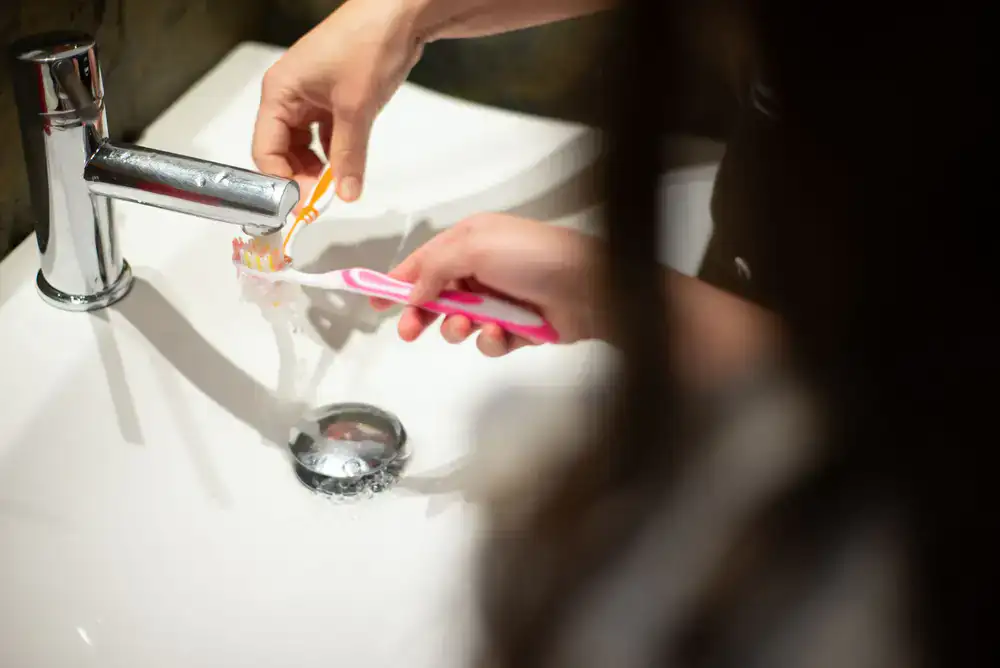
Establishing a daily routine
Consistency is the secret to a healthy mouth. By making oral hygiene a predictable and fun part of the morning and evening, you set the foundation for a lifetime of strong teeth.
- Brush Twice a Day: Use a soft-bristled brush and a smear of fluoride toothpaste as soon as the first tooth appears. Upgrade to a pea-sized amount at age three.
- Introduce Flossing: As soon as any two teeth touch, it is time to start flossing. Floss sticks can make reaching the back teeth easier for little hands.
- Supervise Brushing: Children typically do not have the manual dexterity to brush perfectly on their own until they are seven or eight years old.
Diet choices for strong enamel
What your child eats is just as important as how often they brush. Managing sugar intake and acidic foods helps protect developing enamel from early decay.
Tooth-Friendly Choices
Encourage snacks and meals that actively help clean teeth or neutralize plaque acids throughout the day.
- Water and plain milk
- Cheese and plain yogurt
- Crunchy vegetables like carrots and celery
- Fresh, whole fruits
Items to Limit
Frequent exposure to sugar and starch feeds the bacteria that cause cavities. Keep these as occasional treats.
- Sticky candies, gummies, and fruit snacks
- Sodas, sweetened juices, and sports drinks
- Chips and starchy crackers that stick to teeth
- Frequent all-day grazing on sweets
Development
Dental milestones
Understanding what to expect as your child grows helps ease anxiety and promotes timely preventive care.
Teething (6 Months - 3 Years)
The first baby teeth usually arrive around six months of age. Teething can occasionally cause fussiness and sore gums. Gentle massage with a clean finger or a chilled, firm teething ring can provide immediate relief. This is also the ideal time to schedule your child's first check-up to ensure everything is developing correctly.
Losing Baby Teeth (Ages 6 - 12)
Children typically begin losing their primary teeth around age six. Remind your child not to force a loose tooth out before it is ready, as this can harm the sensitive gum tissue underneath. Wiggling it gently with a clean finger or tongue is perfectly safe and natural.
Sealants and Protection (Ages 6+)
As the first permanent molars erupt, we highly recommend preventive dental sealants. These thin, protective coatings fill the deep grooves on the chewing surfaces, sealing out trapped food and cavity-causing bacteria in areas where a toothbrush cannot easily reach.
Have specific questions?
Every child's smile is unique. If you have concerns about teething, thumb-sucking, diet, or scheduling a visit, our dedicated pediatric team is here to provide guidance and reassurance.